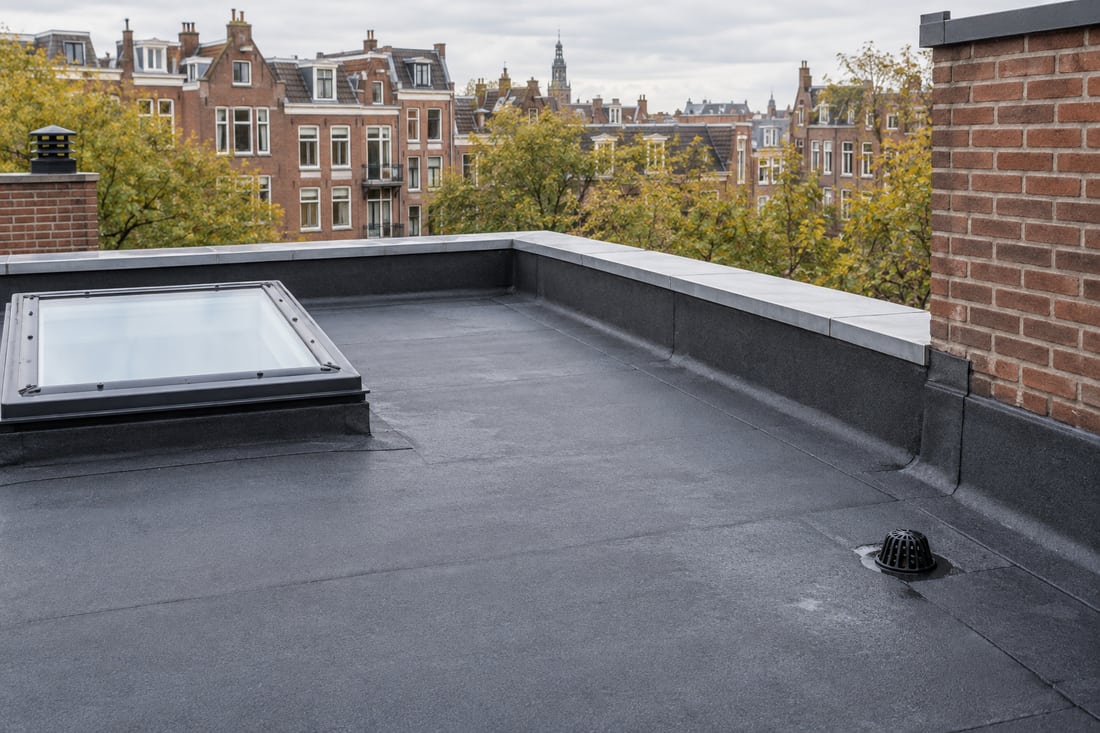
Cavity flashing is a water-resisting layer within or beside a cavity wall that directs cavity moisture towards an intended discharge point. The term identifies a particular position and function.
What does this mean on your roof?
Water arriving through masonry or a cavity follows a different route from rain landing directly on a roof membrane. Moisture at a wall junction therefore cannot be assessed solely from the visible covering.
Water-resisting layers concealed behind the external appearance may influence the explanation and the appropriate scope of investigation.
A leak assessment should distinguish accessible wall and junction components from those remaining concealed. Keep suspected causes separate from established defects. Installing new visible flashing does not automatically resolve a problem deeper within the interface. Ask who assesses the relationship between wall and roof when separate contractors each handle only part of the work.
Frequently asked questions
Is cavity flashing fully visible externally?
Often not. Its position may be concealed by masonry or finishes and require additional assessment.
Is this always solely the roofer’s responsibility?
The interface may involve both wall and roof. Allocate investigation and execution explicitly between the relevant parties.