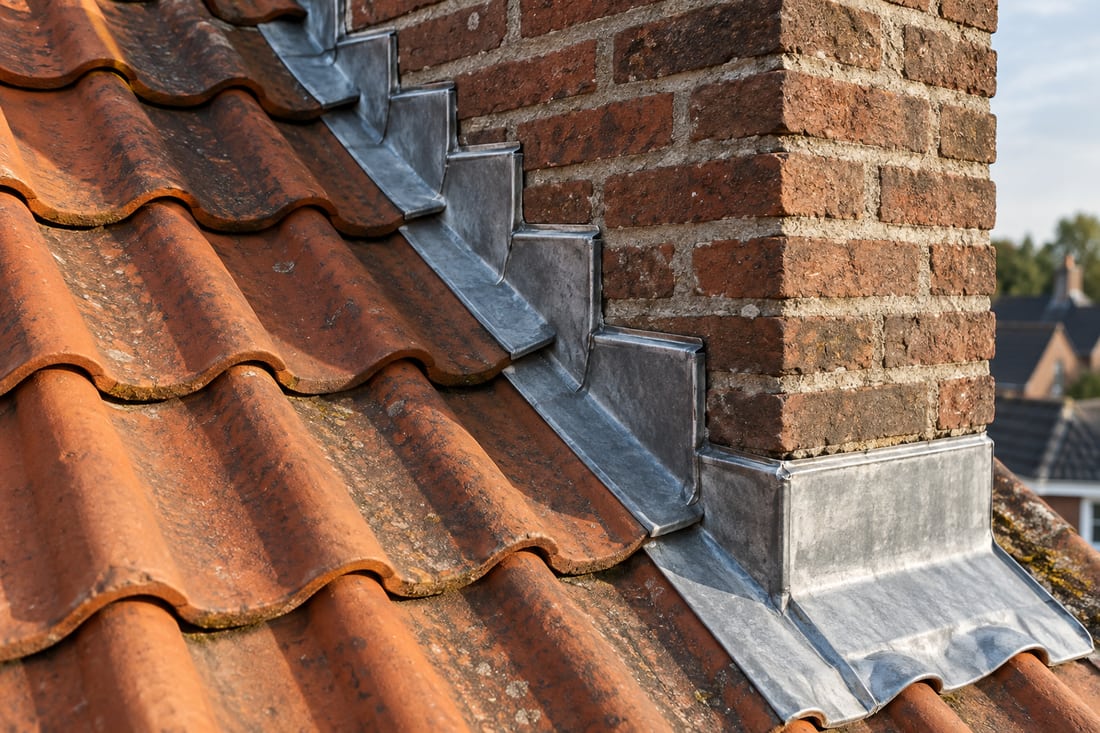
Useful roof maintenance starts with a record of components, known defects and safely arranged inspections. Plan work around condition and use. A fixed replacement list without assessment can produce both unnecessary interventions and overlooked problems.
How can you identify roof components clearly?
Divide the record into roof surfaces, edges, gutters, penetrations and unusual junctions. A simple sketch with consistent names helps later observations refer to the same locations. Record known materials and previous interventions per component without guessing missing information. A rear extension roof may have a different age and build-up from the main roof.
For an owners’ association, one shared record is more useful than reports scattered across several inboxes. The sketch does not need to be a technical drawing. Its purpose is to make clear which part of the roof a report or maintenance proposal actually concerns.
How do you separate checks from execution?
Residents may notice signs from safe positions, including an overflowing gutter, a displaced tile or fresh damp indoors. This does not mean they should access the roof or clear a blockage themselves. Establish who receives reports and how access for assessment will be arranged.
Distinguish cleaning, local repair and replacement because they serve different purposes and should not disappear into one unexplained maintenance allowance. For each proposed intervention, ask which problem it is intended to prevent or resolve and which observation supports it. This creates a useful maintenance record rather than a sequence of invoices with little technical context.
When does the plan need updating?
Solar panels, a roof window or additional insulation change which components require attention during maintenance. Update the record after alterations and retain associated product information. Access changes also matter: a roof once reached through an empty apartment may no longer be accessible in the same way.
Arrange inspections with the relevant professional according to the roof’s circumstances. This guide does not prescribe a universal interval for every material and building. A useful maintenance recommendation explains why particular components should be examined at a particular stage, taking previous findings, exposure, use and any recent interventions into account.
How can you keep a useful maintenance record?
Record what was inspected, which work was completed and what remains outstanding. Include overview photographs that identify the components, not only isolated close-ups. Keep maintenance planning separate from warranty claims: an inspection does not promise that damage can never occur.
If a defect proves more extensive than anticipated, the revised approach should be discussed before additional work proceeds. For an owners’ association, these records can inform the long-term maintenance plan. For an individual homeowner, they prevent the next enquiry from starting with uncertainty about which layers, outlets or junctions have already been repaired or replaced.
Frequently asked questions
Does every roof need identical annual maintenance?
Not automatically. Materials, surroundings, previous findings and changes to the roof influence appropriate inspections and work. Ask for the recommended interval to be explained.
Is a clear gutter sufficient maintenance?
A clear gutter addresses one component. Roof surfaces, junctions and other outlets may need separate attention depending on the construction and observed defects.
What should an owners’ association retain?
Keep findings, completed-work descriptions, photographs, product information and outstanding issues. Record which components were inaccessible or excluded from the assessment as well.