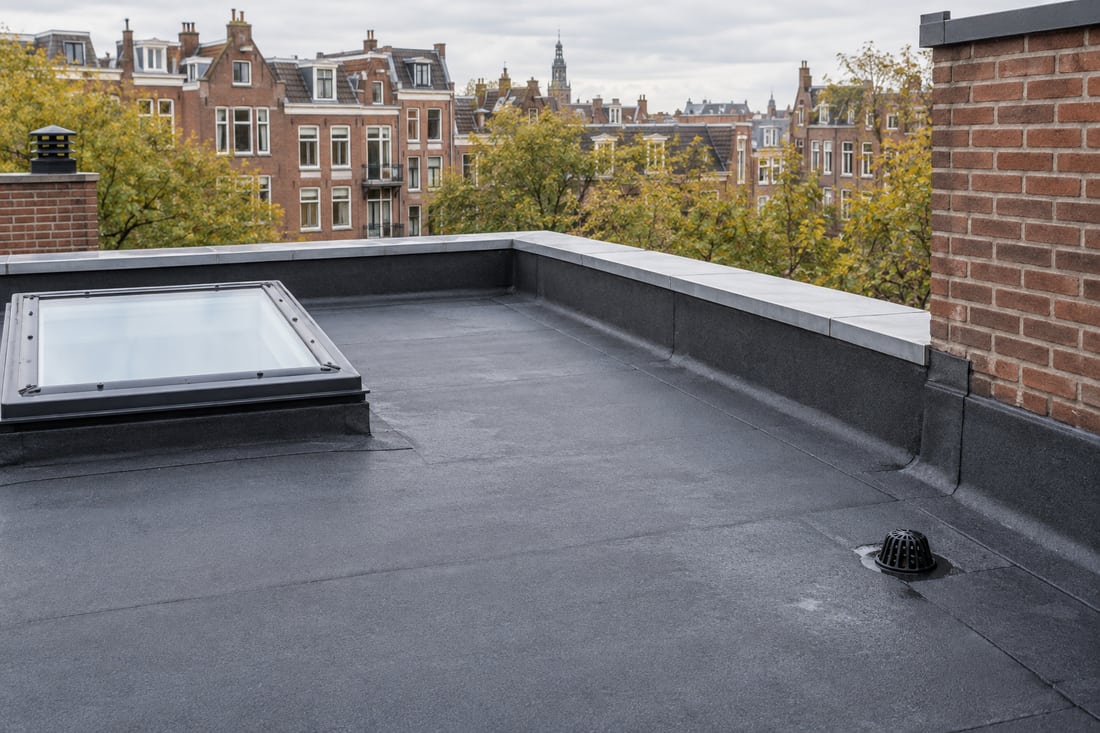
Roof blisters are local raised areas within or beneath a roofing layer. Their appearance alone does not establish which layer has separated or what caused the movement.
What does this mean on your roof?
Size, distribution and development help describe the issue. Record whether the raised areas are new and whether internal moisture has also been reported.
Do not puncture the covering to investigate beneath it. Doing so can create an opening without reliably establishing the underlying cause or the condition of adjacent layers.
Assessment should identify affected layers and implications for retention or replacement. A local repair proposal needs to describe its boundary and connection to surrounding material. Where several areas are involved, ask whether the work addresses visible damage alone or investigates wider condition. Keep overview photographs so later changes can be compared at the same locations rather than across unrelated sections.
Frequently asked questions
Does a blister immediately mean a leak?
Not automatically. Condition and affected layers need assessment.
Should I puncture a blister myself?
No. This can damage the covering and complicate investigation.